Pack Light, Hike Far: Why the Best Hikers Own Less Than You Think

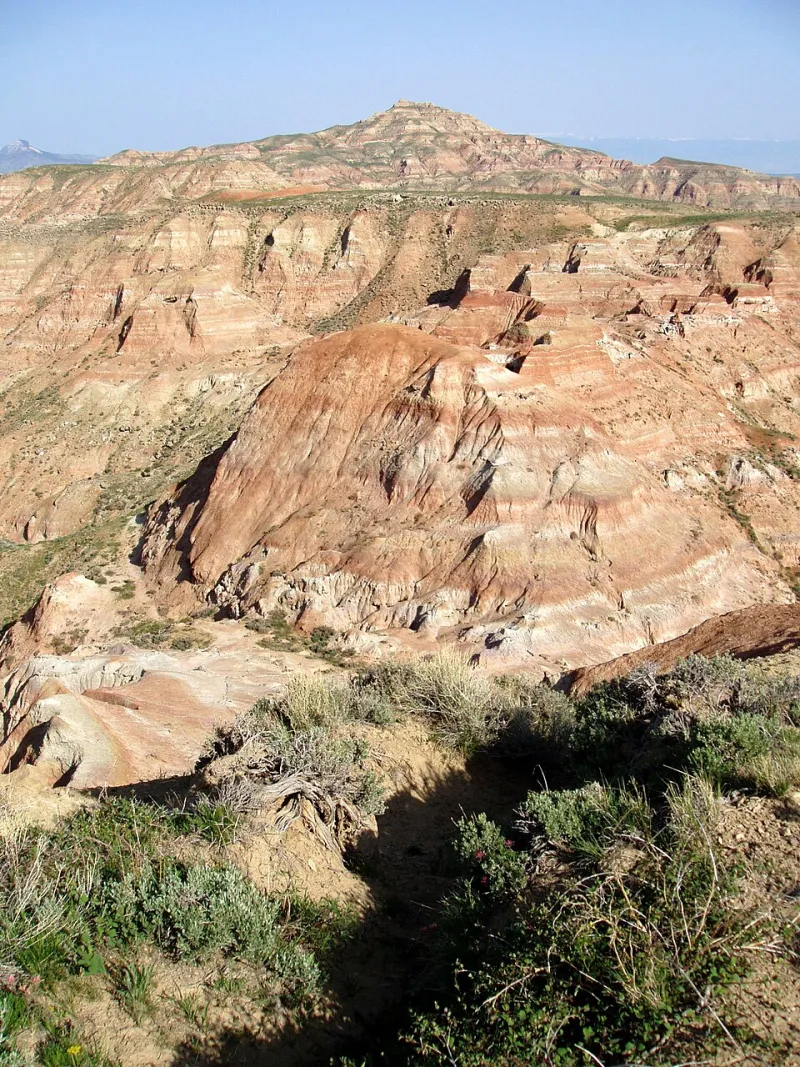
Photo: W.carter, CC BY-SA 4.0, via Wikimedia Commons
Let's be honest about something. You probably have a closet — or a corner of the garage, or maybe an entire spare room — dedicated to hiking gear. Trekking poles with ergonomic grips. A tent that weighs less than a bag of coffee beans. A hydration system that belongs in a NASA spec sheet. And yet, somehow, the trails still feel hard. Your knees still ache at mile six. You still run out of steam before the viewpoint.
Maybe the gear isn't the problem. Maybe the gear is the problem.
The $3,000 Starter Kit Nobody Asked For
Spend fifteen minutes on any major outdoor retailer's website and you'll walk away convinced that hiking requires a serious financial commitment. Carbon fiber this. Merino wool that. Gore-Tex everything. The messaging is subtle but consistent: the right equipment unlocks the right experience.
The outdoor industry in the US is worth well over $800 billion annually, and a significant slice of that comes from convincing weekend warriors that their current setup is one upgrade away from perfection. New hikers are especially vulnerable. Without the experience to know what actually matters on a trail, they default to buying confidence — stacking their cart with items that promise performance they haven't yet earned through mileage.
The result? Hikers who are gear-rich and experience-poor, lugging 45-pound packs up moderate trails while veterans cruise past them with a single daypack and a water bottle.
What Minimalist Hikers Actually Carry
Meet the people who've quietly rejected the gear arms race. They're not hard to find if you spend time on trails — they're the ones moving fast, smiling more, and taking breaks to look at things instead of adjusting straps.
Take someone like Marcus, a long-distance hiker from Colorado who's completed sections of the Colorado Trail three times. His kit has gotten smaller with every trip. "The first time I went out, I had every gadget REI could sell me," he says. "By my third trip, I was carrying a tarp, a quilt, a stove, and the clothes on my back. I was faster, less stressed, and honestly way more present on the trail."
Or consider the ultralight community, which has spent decades stress-testing the idea that less is genuinely more. Their base weights — meaning everything in the pack before food and water — often come in under ten pounds. They're not suffering out there. They're thriving.
The core insight these hikers share is simple: gear solves problems you can anticipate. Experience solves problems you can't.
The Psychology of Gear Collecting
There's a name for the feeling you get clicking "add to cart" on a new piece of kit: retail therapy with an outdoorsy veneer. Gear collecting scratches the same psychological itch as any other form of hobby consumption. It feels productive. It feels like preparation. It creates a tangible sense of progress even when you haven't taken a single step toward the trailhead.
Researchers who study consumer behavior call this "effort substitution" — the tendency to replace the harder, more uncertain activity (actually hiking) with the easier, more controllable one (shopping for hiking stuff). Every new purchase reinforces the belief that you're getting ready, without requiring you to actually get out there.
Social media accelerates this loop dramatically. Trail content on Instagram and TikTok is disproportionately gear-forward. Flat lays. Unboxing videos. Sponsored posts from athletes who'd honestly hike just as well in last year's boots. The visual language of outdoor adventure has become inseparable from premium equipment, which means new hikers absorb the implicit message that looking the part is part of the part.
A Practical Framework for What You Actually Need
So how do you cut through the noise? Here's a framework that experienced hikers use — sometimes consciously, sometimes just through accumulated wisdom.
The Three-Question Test
Before buying any piece of gear, ask yourself:
-
Will this solve a specific problem I've actually encountered on the trail? Not a problem you've imagined, not a scenario from a YouTube review — a real, recurring issue from your own experience.
-
Does the weight-to-utility ratio make sense? A rain jacket that weighs four ounces is worth carrying. A camp chair that weighs three pounds is worth leaving behind unless car camping is the plan.
-
Am I buying this because it will improve my hike, or because it will improve my hiking identity? There's no shame in the second answer — just be honest about it, and maybe wait 30 days before hitting purchase.
The True Essentials
For day hikes on maintained US trails, the genuine non-negotiables are remarkably short: water (and a way to treat more if needed), navigation (phone with downloaded offline maps or an actual paper map), sun protection, a basic first aid kit, layers for temperature swings, and enough food to cover the mileage plus some extra. That's it. Everything else is situational.
For overnight trips, the list grows modestly: shelter, sleep system, a light stove if you want hot meals. But even here, the options range from ultralight to absurdly overbuilt, and the trail conditions — not the marketing copy — should drive the decision.
The Gear You Already Have Is Probably Fine
Here's the part the outdoor industry really doesn't want you to internalize: most hikers are dramatically underusing the gear they already own. That jacket hanging in the closet? Still waterproof. Those boots from three years ago? Still got miles left. The headlamp that came in a two-pack from Amazon? Absolutely functional.
The best investment you can make in your hiking life isn't a new piece of equipment. It's more time on the trail. Every additional mile teaches you something no product description can — how your body responds to elevation, how to read weather shifts, when to push and when to turn around. That knowledge compounds in ways that titanium cookware simply doesn't.
Seasoned hikers often joke that their gear gets cheaper as their experience grows, not more expensive. They know what they actually need because they've learned what they can do without.
Getting Back to Why You Started
At its core, hiking is one of the most democratically accessible activities on the planet. The trails that run through US national forests, state parks, and wilderness areas don't have entry requirements. They don't check your gear list at the gate. They don't care whether your pack cost $400 or $40.
What they reward is showing up — consistently, curiously, and without letting the pursuit of the perfect kit stand between you and the trailhead.
The gear trap is real, but it's also entirely optional. The summit doesn't know what brand of boots you're wearing. It just knows whether you made it there.
Next time you feel the itch to upgrade, try a different kind of upgrade instead: add five miles to your next route. Hike somewhere new. Go out in weather you'd normally avoid. That's the investment that actually pays off.