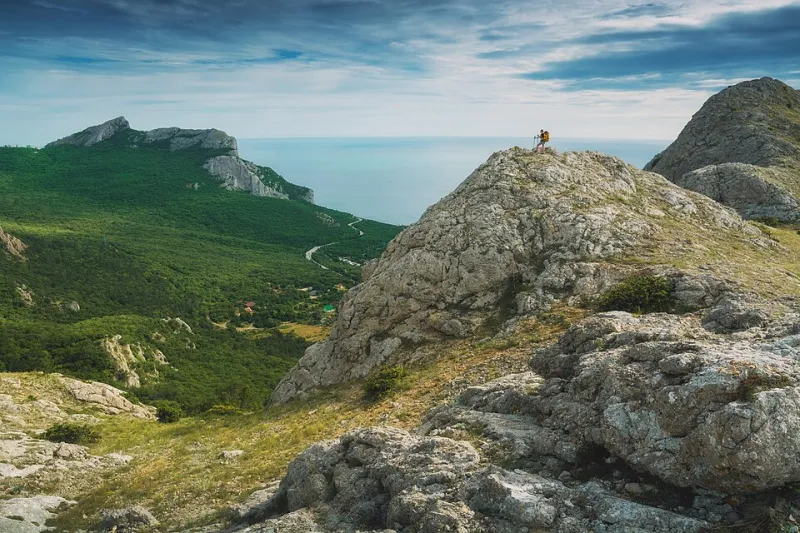
Big Views, Small Crowds: The Best Under-5,000-Foot Summits You've Never Heard Of
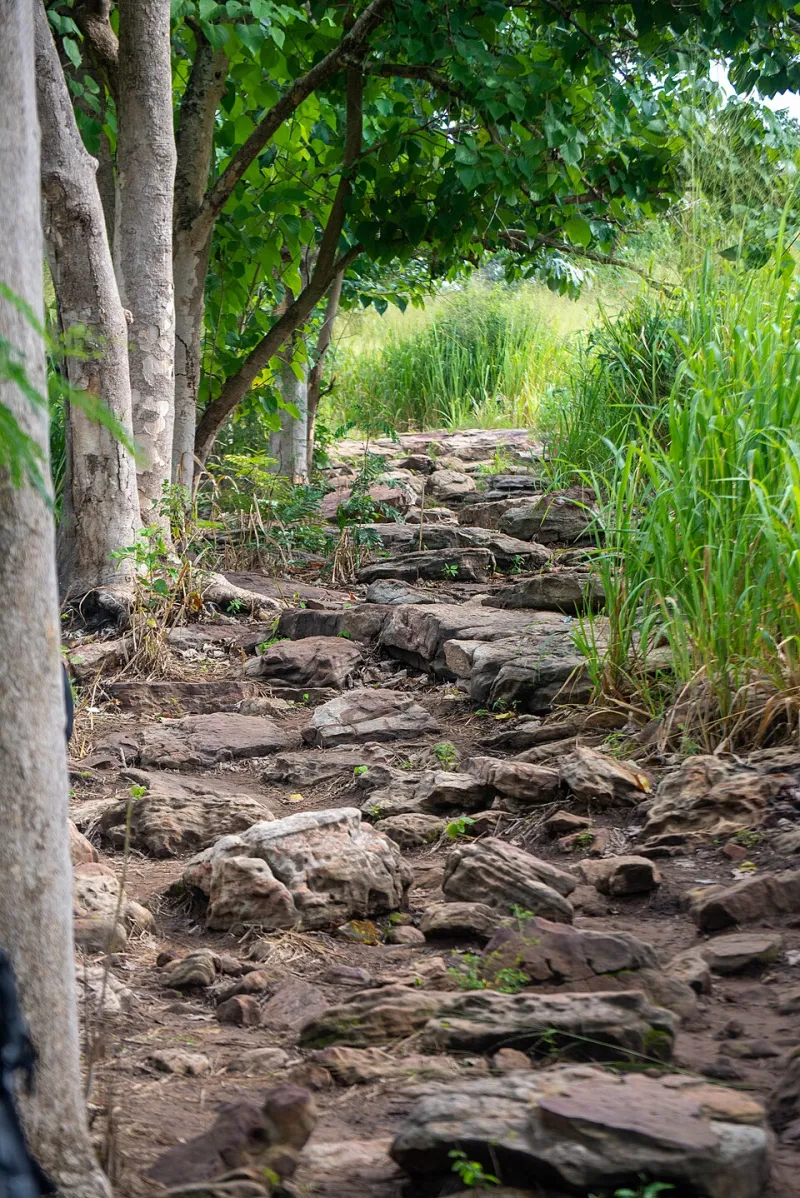
Photo: Penwills, CC BY-SA 4.0, via Wikimedia Commons
There's a certain kind of hiking snobbery that measures a peak's worth in feet above sea level. The higher the number, the better the bragging rights. But anyone who's actually spent time on trails across this country knows that elevation alone doesn't tell the whole story. Some of the most jaw-dropping, soul-stirring summits in the US top out well under 5,000 feet — and because they fly under the radar, you'll share them with a fraction of the crowds clogging the famous spots.
Whether you're a weekend warrior, a family with kids in tow, an older hiker looking for real adventure without the altitude risk, or simply someone who's tired of elbowing strangers at overlooks — this list is for you.
Why Lower Doesn't Mean Lesser
Before we dive in, let's address the elephant on the trail. Lower-elevation summits don't require acclimatization, extreme gear, or months of conditioning. That accessibility is a feature, not a flaw. It means more people can safely experience the kind of perspective shift that only comes from standing above the treeline and watching the world unfold below you.
Lower peaks also tend to have richer ecosystems at their summits — wildflowers, birds, and varied vegetation that high-alpine environments can't support. And in many cases, the views are genuinely comparable to their taller cousins, especially in the East and Pacific Northwest where dramatic terrain compresses into relatively modest elevations.
Here are some of our favorite hidden-gem summits worth putting on your radar.
Mount Monadnock, New Hampshire — 3,165 Feet
Fair warning: Monadnock isn't exactly a secret. It's often cited as one of the most climbed peaks in the world. But here's the thing — most people stick to the White Arrow and Pumpelly Trails on weekends. Hike it on a Tuesday in late September or early October, and you might have the summit to yourself.
What makes Monadnock special is its dramatic isolation. Rising from the rolling southern New Hampshire landscape without any neighboring high peaks, it commands a 360-degree view that stretches into five states on a clear day. The exposed granite summit feels genuinely alpine, and the trails are varied enough to satisfy everyone from first-time hikers to trail runners looking for a workout.
Best for: Families, beginners, fall foliage seekers Trail tip: The Marlboro Trail on the west side is the least-trafficked route and passes through beautiful hardwood forest.
Humpback Rocks, Virginia — 3,080 Feet
Just off the Blue Ridge Parkway near Waynesboro, Humpback Rocks is one of the Appalachian region's most rewarding short hikes. The trail is steep but brief — about two miles round trip — and deposits you on a rocky outcropping with sweeping views of the Shenandoah Valley and the layered ridges rolling westward.
The hike is accessible enough for motivated kids but wild enough to feel like a genuine wilderness experience. The rocky summit scramble near the top adds a dash of adventure without requiring any technical skill. Spring wildflowers and fall color make this trail absolutely spectacular in season.
Best for: Families, older hikers, Blue Ridge road-trippers Trail tip: Arrive early on weekends — the small parking area fills fast. Weekday mornings are ideal.
Silver Star Mountain, Washington — 4,390 Feet
Hidden in plain sight in the southern Washington Cascades near the Columbia River Gorge, Silver Star Mountain is one of the Pacific Northwest's great underappreciated hikes. The summit is reached via a network of trails through old-growth forest and open meadows, and in late June and July, the wildflower bloom is legitimately stunning — lupine, paintbrush, and balsamroot stretching across the hillsides in every direction.
The views from the top take in Mount Hood, Mount Adams, Mount St. Helens, and on exceptionally clear days, Mount Rainier. Four volcanic giants visible from a single summit that most Washington hikers have never visited. That's a pretty good deal.
Best for: Wildflower enthusiasts, Pacific Northwest locals, photographers Trail tip: The Grouse Vista Trailhead approach is the most popular but still sees far less traffic than comparable Gorge hikes.
Black Elk Peak, South Dakota — 7,244 Feet
Okay, we're bending our own rule slightly here — Black Elk Peak technically exceeds our 5,000-foot threshold. But we'd be doing you a disservice leaving it off this list, and here's why: at 7,244 feet, it's the highest point east of the Rockies, it sits in the beautiful Black Hills of South Dakota, and it sees a tiny fraction of the foot traffic you'd find at comparable destinations out west. The hike through Custer State Park is gorgeous, the summit fire lookout tower is historic, and the views stretch for over a hundred miles in every direction.
Best for: Midwest hikers, history buffs, families visiting the Badlands or Mount Rushmore Trail tip: Combine it with a visit to Custer State Park's wildlife loop for a full day out.
Catamount Peak, Vermont — 2,168 Feet
Tucked into the Green Mountains near Stowe, Catamount Peak is the kind of summit that rewards those who seek it out. The trail winds through classic Vermont hardwood and softwood forest before opening up to rocky ledges with views of Stowe Valley and the surrounding peaks. It's a genuine wilderness feel for a relatively short effort.
This one is particularly great for hikers who want solitude without sacrificing scenery. You're unlikely to encounter more than a handful of people, even on a nice weekend.
Best for: Solo hikers seeking quiet, Vermont visitors, beginner backpackers Trail tip: Pair with a visit to nearby Smugglers' Notch for a full day in the area.
Saddle Mountain, Oregon — 3,283 Feet
Located in the Coast Range west of Portland, Saddle Mountain is one of Oregon's most beloved day hikes — and yet it remains largely unknown outside the Pacific Northwest. The trail gains about 1,600 feet over roughly 2.5 miles, culminating in a narrow, exposed summit ridge with views of the Pacific Ocean, the Columbia River, and the Cascade volcanoes to the east.
The wildflowers here in spring are extraordinary — Saddle Mountain hosts several rare plant species found almost nowhere else. It's the kind of place that makes you feel like you've discovered something precious.
Best for: Oregon Coast visitors, wildflower lovers, Portland day-trippers Trail tip: The trail can be muddy and slippery in wet conditions — trekking poles are a smart call.
Tips for Getting the Most Out of Lower-Elevation Summits
- Go early or go late. Even lesser-known peaks can get crowded mid-morning on weekends. Sunrise hikes and late afternoon starts often mean dramatically fewer people.
- Check trail conditions. Lower elevation doesn't mean simpler conditions. Many of these trails involve exposed rock, steep grades, or seasonal mud.
- Leave no trace. Part of what makes these spots special is that they haven't been loved to death yet. Keep it that way.
- Explore off-season. Spring and fall transforms many of these trails into something magical — and the crowds thin considerably.
The Summit Still Finds You
You don't have to chase the tallest peak in the range to feel that particular brand of mountain magic. Some of the most memorable moments on a trail happen in places the guidebooks gloss over — on a rocky ledge in Vermont, a wildflower meadow in Washington, a granite outcropping in New Hampshire. The summit finds you when you're willing to look beyond the obvious.
So grab your daypack, point your truck toward something you've never climbed before, and see what's waiting at the top.