Loved to Death: How America's Most Iconic Trails Are Paying the Price for Popularity
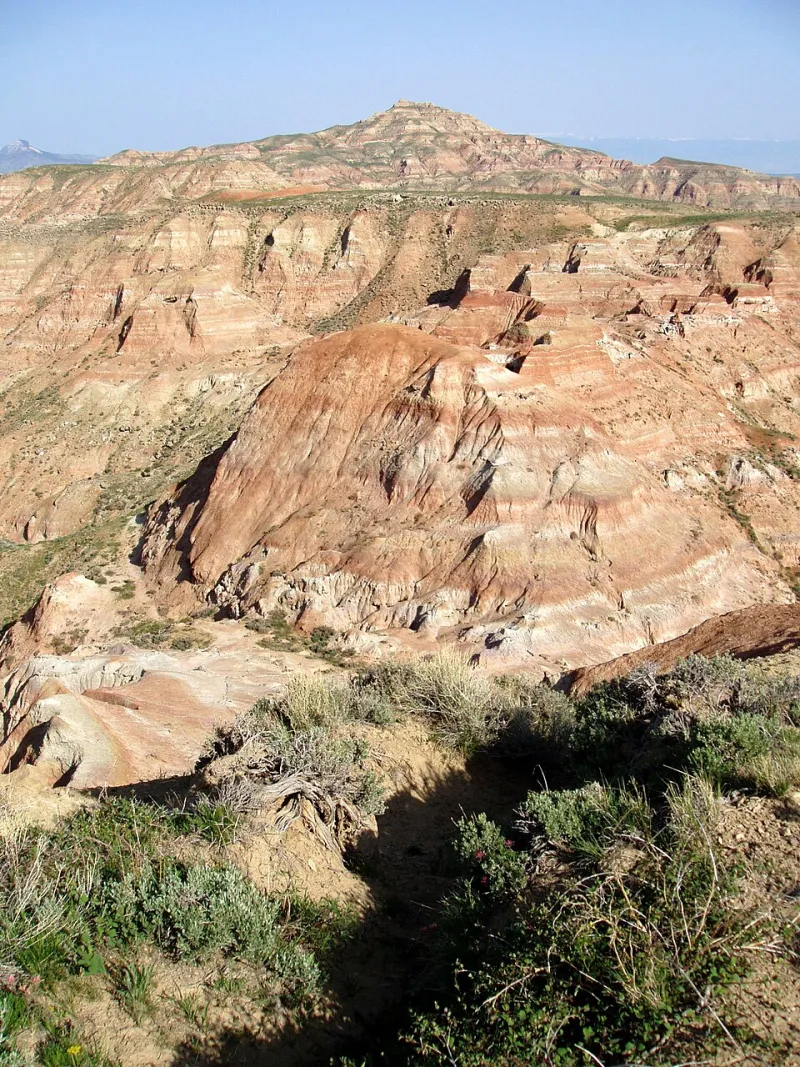
Photo: David Abercrombie, CC BY-SA 2.0, via Wikimedia Commons
There's a bittersweet irony baked into the rise of outdoor culture. The more people fall in love with hiking, the harder it becomes to love the trails themselves. Instagram posts rack up likes. REI gear flies off shelves. National park visitor counts shatter records year after year. And somewhere in the middle of all that enthusiasm, the trails start losing.
This isn't a fringe concern. It's a documented, measurable problem — and if you've hiked anywhere remotely popular in the last five years, you've probably already felt it.
The Numbers Don't Lie
In 2022, the National Park Service recorded over 311 million recreation visits across its managed lands. That's not just a lot of people — that's a lot of boots, a lot of campfire rings, a lot of social trails carved by hikers who wandered off the main path looking for a better view or a private lunch spot.
Trail erosion accelerates when foot traffic exceeds what a landscape can naturally absorb. On heavily used routes, the topsoil compacts, vegetation thins, and water runoff carves channels that widen into gullies. The American Hiking Society estimates that trail maintenance costs have ballooned significantly in the past decade, with volunteer hours struggling to keep pace with the damage. Some trails in popular destinations like Great Smoky Mountains National Park — the most visited in the entire NPS system — now show erosion patterns that take years of active restoration to reverse.
And it's not just the dirt. Wildlife displacement is a growing concern. Repeated human presence on sensitive routes pushes animals away from established habitats, disrupts breeding cycles, and fragments ecosystems in ways that ripple far beyond what any single hiker might notice on a Sunday morning walk.
The Permit Problem Nobody Loves
In response to the crush, land managers have rolled out permit systems across dozens of high-demand destinations. Zion's Narrows, the Mount Whitney summit trail, Havasupai Falls, Half Dome's cables route — the list of places requiring advance reservations keeps growing, and the lottery systems governing them can feel like a second job.
Hikers are frustrated. Conservation advocates say the systems don't go far enough. Park rangers are caught in the middle, fielding complaints from visitors who drove six hours only to find the trailhead full.
The truth is, permits are a blunt instrument. They cap numbers, sure, but they don't always account for seasonal sensitivity, trail condition variability, or the cumulative stress that even permitted visitors place on fragile ecosystems. A quota of 300 people per day sounds reasonable until you realize all 300 show up between 9 a.m. and noon.
What You Can Actually Do
Here's where hikers have more power than they think. The choices you make — when to go, where to go, and how to move through the landscape — genuinely matter.
Reconsider your timing. Peak season at most popular US trailheads runs from late June through Labor Day. If you can shift your trips to shoulder seasons — May, early June, September, or October — you'll find shorter lines, softer crowds, and in many cases, better scenery. Fall foliage on the Appalachian Trail in the mid-Atlantic states, for example, rivals anything the summer offers. Fewer people, same mountains.
Go early or go late — and mean it. Sunrise starts aren't just for photographers chasing golden hour. Hitting the trailhead at first light genuinely redistributes foot traffic and gives you a fundamentally different experience on trails that feel like theme park queues by 10 a.m. The added bonus: wildlife sightings spike in the early morning hours.
Explore the B-list. Every iconic trail has a lesser-known neighbor that delivers comparable rewards. Glacier National Park's Highline Trail draws massive crowds, but the park's Firebrand Pass route offers equally dramatic terrain with a fraction of the traffic. Around the Colorado Rockies, trails adjacent to the Fourteener circuit often provide the same elevation drama without the summit chaos. Do a little research, ask a ranger, and resist the gravitational pull of the TripAdvisor top ten.
Stay on the trail — actually. This sounds obvious, but social trails — those informal paths created by hikers cutting switchbacks or seeking better views — are one of the primary drivers of vegetation loss on popular routes. Even a few footsteps off the beaten path in fragile alpine zones can set back plant recovery by years. When the trail zigs, you zig too.
Pack out more than you packed in. Trail stewardship organizations like Leave No Trace have documented that litter and waste increase proportionally with visitor volume. Bringing an extra bag and picking up what others have left behind is a small act with outsized impact on trail health.
The Case for Spreading the Love
Some hikers resist the idea that their favorite places are suffering because, honestly, it's easier not to think about it. But the data is pretty hard to argue with, and the experience on the ground tells the same story. Waiting two hours for a parking spot at a trailhead isn't a quirk of a busy weekend anymore — it's the new baseline at dozens of destinations across the country.
The good news is that the hiking community has historically been one of the more motivated groups when it comes to conservation action. Trail maintenance volunteer hours, Leave No Trace adoption rates, and the growth of organizations like the American Trails nonprofit all point to a community that cares. The gap is usually between caring and changing behavior.
If you're a regular on the popular circuit, consider making one or two of your annual trips a deliberate detour to somewhere new. Not because you have to give up your favorite peaks — but because spreading attention to under-visited areas is genuinely one of the most effective things an individual hiker can do to reduce pressure on stressed destinations.
The Trail Is Still Worth Fighting For
None of this is an argument against hiking. It's an argument for hiking smarter, with a little more awareness of the footprint we leave behind. The landscapes that drew us to the trail in the first place — the ridgelines, the switchbacks, the summit views that make the quad burn feel worth it — they're not infinitely resilient. They need us to show up thoughtfully.
The altitude lottery is real. Permits are frustrating. Crowds are exhausting. But the alternative — watching the places we love degrade into shadows of themselves — is a lot worse. A little flexibility in when you go and where you point your boots goes a long way toward keeping the trails worth hiking for everyone who comes after you.